
This post contains affiliate links. As an Amazon Associate I earn from qualifying purchases.
Table of Contents
- Why a Kite Is One of the Best Things to Pack for the Beach
- The Best Delta Kites for Kids and Adults
- Fun and Unique Kites
- Stunt and Sport Kites
- Make Your Own Kite
- Kite String and Line
- Kite Winders and Reels
- Kite Tails and Accessories
- Kite Bags and Storage
- Kite Repair
- Know Before You Go: Wind Meters
- Tips for Flying a Kite at the Beach
Why a Kite Is One of the Best Things to Pack for the Beach
There’s something about a kite at the beach that never gets old. The wind is almost always perfect, the space is wide open, and kids of every age — including the grown-up kind — will want a turn holding the string. A good beach kite is lightweight, packs flat, and gives everyone something to do that doesn’t involve a screen, sand in their eyes, or asking when it’s time to leave. If you’re putting together your beach bag, this is one of the easiest additions you can make.
The Best Delta Kites for Kids and Adults
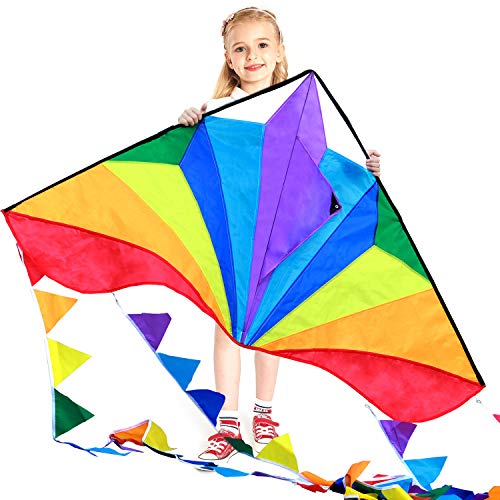
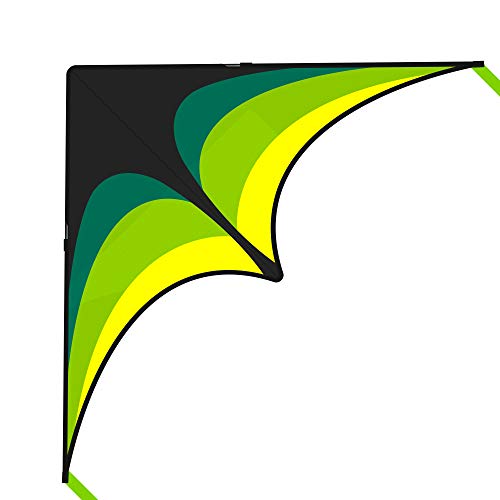
Delta kites are the classic choice for the beach — they’re shaped like a triangle, catch the wind easily, and are forgiving enough for kids to fly without a lot of help. They launch quickly and stay up reliably, which means less frustration and more actual flying time.


Fun and Unique Kites
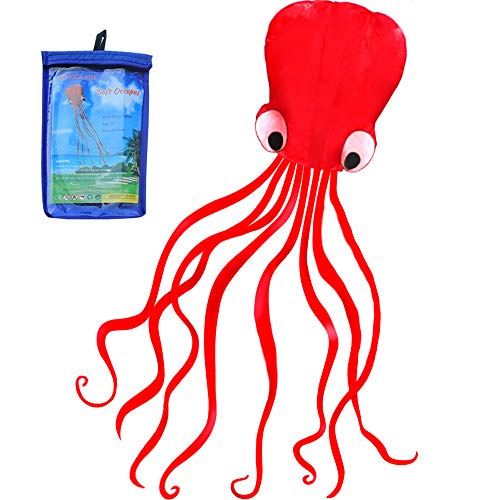
Not every kite has to be a triangle. These eye-catching designs are great for kids who want something a little different — and they’re just as easy to fly.


Stunt and Sport Kites
For older kids and adults who want more of a challenge, stunt kites use two lines so you can control direction and pull off tricks. They take a little more practice but are genuinely fun once you get the feel for them — and they look impressive flying over the beach.


Kite Flying Gear
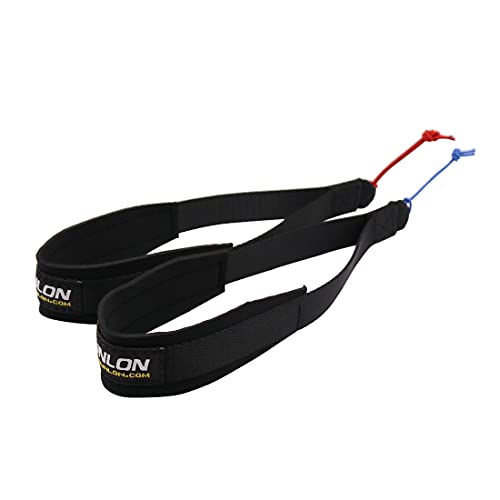
Flying a delta kite in a light breeze is easy on your hands, but if you’re flying a sport kite or a larger kite in strong beach wind, the line can put real pressure on your fingers and wrists. Kite flying gloves, finger guards, and wrist straps make a noticeable difference in comfort and control — and they’re especially worth having if you’re planning to fly for more than a few minutes at a time. Kids who are just learning also tend to hold on tighter than they need to, so a little hand protection goes a long way.


Make Your Own Kite
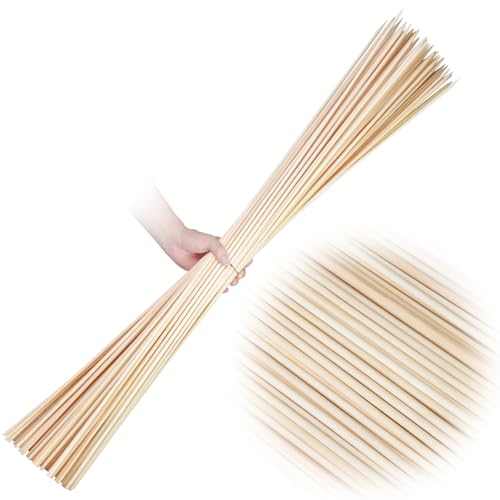
Making a kite from scratch is one of those rainy beach day projects that kids absolutely love — and then they get to fly what they made. You don’t need much: a frame, some ripstop nylon fabric, string, and a little patience. It’s a great activity for older kids and a fun way to spend a morning before heading out to the beach.




Kite String and Line
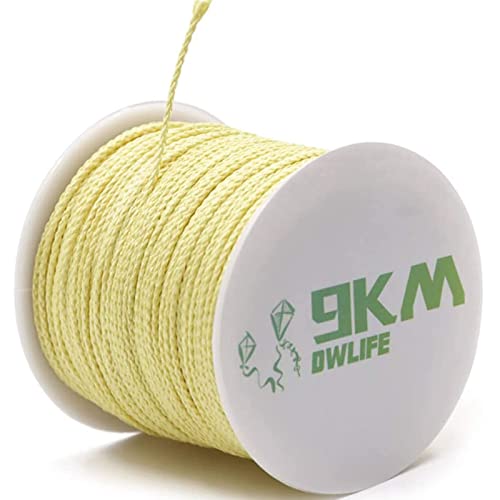
The string that comes with most kites is fine for casual flying, but if you want to go higher or fly in stronger wind, upgrading your line makes a real difference. Kevlar is thinner and stronger, Dacron has a little more stretch which can be easier for beginners.


Kite Winders and Reels
A good winder makes everything easier — launching, landing, and storing your kite without a tangled mess. If you’ve ever spent twenty minutes untangling kite string on the beach, you know exactly why this matters.


Kite Tails and Accessories
A long tail makes any kite look better in the sky and helps with stability in variable wind. These are easy to add to any kite you already have — and kids love picking out something colorful.


Kite Bags and Storage
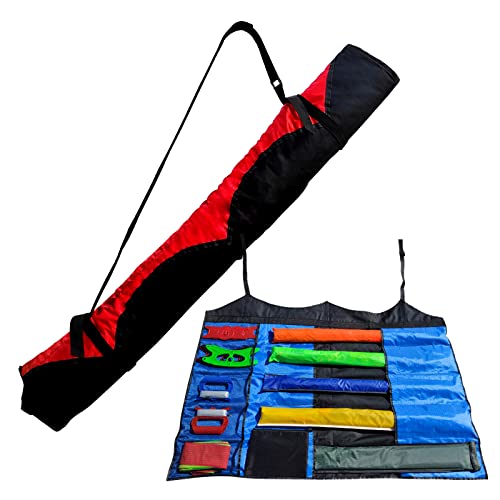
If you’re flying more than one kite or bringing along a collection of string, winders, and tails, a dedicated kite bag keeps everything together and makes packing the car a lot easier. It also protects your kite from getting bent or tangled between trips.
Kite Repair
Even a well-made kite will eventually take a hit — a hard landing, a strong gust, or a run-in with a beach umbrella. Ripstop repair tape is cheap, easy to use, and can fix a torn sail in minutes right there on the beach. If you’re flying regularly or bringing kite-making supplies, it’s worth having on hand.

Know Before You Go: Wind Meters
Most kites fly best in winds between 8 and 20 mph — too little and they won’t stay up, too much and they’re hard to control. A small handheld wind meter takes the guesswork out of it and is genuinely useful if you’re flying sport kites or teaching kids who get frustrated when conditions aren’t right. It’s a small thing that makes a real difference.

Tips for Flying a Kite at the Beach
The beach is one of the best places to fly a kite, but a few things make a real difference. Face into the wind when you launch, let out string gradually rather than all at once, and keep some distance from other beachgoers so you have plenty of room to move. Early morning and late afternoon tend to have the steadiest wind, and overcast days often fly better than bright sunny ones. Keep the kite away from other kites, flags, and anything overhead, and always supervise young kids with the string — it can wrap around fingers faster than you’d expect.
Looking for more ideas for your beach trip? See the full list of Best Beach Games & Activities for everything worth packing for a fun day at the beach.
Love this list? Save it to Pinterest so you can find it again!